
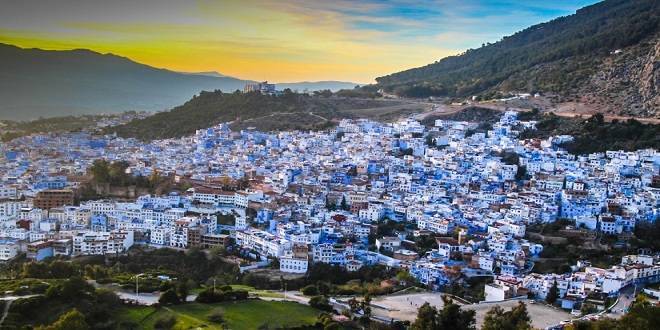
Chefchaouen hiking is the best way to experience the region beyond the famous blue streets. Just outside the medina, Talassemtane National Park opens into mountain trails, villages, forests, and authentic community life—ideal for travelers seeking responsible, meaningful experiences in the Rif.
If you are planning a trip to northern Morocco and want more than a quick visit, this article will help you discover Chefchaouen in a deeper, more meaningful way: through community-based tourism, responsible hiking, local food, and authentic encounters that support the people who live here.
Why “Responsible Travel” Matters in Chefchaouen
Chefchaouen and the Rif Mountains are not an “open-air museum.” They are living communities with their own rhythms, livelihoods, and environmental limits. Responsible travel is simply a way of exploring that protects what makes the place special—nature, culture, and dignity.
When travel is done well, it can:
-
create income for rural families (guides, drivers, cooks, muleteers, artisans)
-
encourage young people to stay and work locally
-
protect forests, trails, and water sources through good practices
-
keep traditions alive (crafts, farming methods, cuisine, storytelling)
When travel is rushed or careless, it can do the opposite: pressure the environment, reduce culture to “shows,” and turn villages into background scenery instead of partners in the experience.
The Real Landscape: Talassemtane National Park
Just outside Chefchaouen lies one of Morocco’s most beautiful protected areas: Talassemtane National Park. It is known for:
-
deep valleys and limestone cliffs
-
oak and pine forests
-
endemic plant life (including rare fir species in the wider Rif region)
-
dramatic viewpoints over mountain ridges and rural terraces
This is not a destination you “do” in one hour. It is a place to Chefchaouen hiking, walk slowly, breathe clean air, and learn how people have lived with the mountains for generations.
What Makes Hiking Here Different
Hiking in the Rif is not only about nature. It is also about human geography—villages, agriculture, springs, and the relationships between families and the land.
A typical hike may include:
-
panoramic ridgelines above Chefchaouen
-
small paths connecting hamlets and farmland
-
encounters with shepherds, farmers, and children walking to school
-
seasonal changes: wild herbs, olives, figs, almonds, and mountain flowers
-
traditional homes built in stone, earth, and wood
This kind of hike becomes memorable because it is a story. Each valley has its own character. Each village has its own identity.
Community-Based Tourism: What It Means (and What It Is Not)
Community-based tourism is often used as a marketing phrase. For it to be real, it should mean that local people are not just “included,” but benefit directly and have a voice in how tourism happens.
In practice, real community-based travel looks like:
-
employing local mountain guides who know the land and its risks
-
using local cooks and food supplies rather than importing everything
-
paying fair wages (not bargaining people down to the minimum)
-
partnering with village cooperatives and artisans in respectful ways
-
keeping group sizes manageable for trails and villages
-
educating guests on etiquette, photography consent, and environmental care
It is not:
-
visiting a village for photos without interaction or contribution
-
treating local life like entertainment
-
pressuring families to host or perform
-
leaving waste, noise, or disruption behind
A Simple, Meaningful Itinerary Idea (2 Days)
If you want to experience Chefchaouen beyond the medina, here is a classic responsible format for Chefchaouen hiking that works very well—especially for travelers who want authenticity without extreme difficulty.
Day 1: From Chefchaouen to the Mountains
-
Start with a scenic hike from the edges of Chefchaouen into the surrounding countryside
-
Walk through terraced fields and village paths
-
Stop for tea or a simple picnic with local products
-
Arrive at an ecolodge or mountain guesthouse for a warm dinner and quiet night
This day is about transition: from city energy to mountain peace.
Day 2: Deeper Into Talassemtane Landscapes
-
Continue hiking through forests and higher viewpoints
-
Learn about local plants, rural livelihoods, and seasonal farming
-
Optional mule support can be arranged for families or those who want extra comfort
-
Return by trail or transfer, depending on the route and season
This day is about immersion: nature + culture together.
What You Will Eat (and Why It Matters)
Food is one of the most powerful ways to connect with a place—especially in Morocco.
In the Rif region, meals are often built around:
-
olive oil, olives, and seasonal vegetables
-
lentils, beans, and traditional soups
-
bread baked locally (when available)
-
simple tagines with herbs and mountain flavors
-
mint tea and herbal infusions
When meals are prepared locally, travel supports families directly and keeps culinary heritage alive. It also tends to be healthier and more honest than “tourist menus.”
Respectful Travel Tips for Visitors
A few small behaviors make a big difference in rural Morocco:
1) Ask before taking photos of people.
A smile and a simple request shows respect. If someone declines, accept it politely.
2) Dress thoughtfully in villages.
You do not need to cover in a strict way, but modest clothing helps you blend in and shows cultural awareness.
3) Keep noise low and group sizes reasonable.
Villages are not attractions; they are homes.
4) Leave no trace.
Carry your trash, avoid plastic when possible, and stay on paths to protect fragile areas.
5) Buy locally, not “imported souvenirs.”
Even small purchases can help artisans and cooperatives continue their work.
When to Visit: Seasons in the Rif
Each season offers something unique:
-
Spring (March–May): green landscapes, wildflowers, comfortable hiking temperatures
-
Summer (June–September): warm days; early starts recommended; higher trails are pleasant
-
Autumn (October–November): golden light, harvest season, excellent hiking weather
-
Winter (December–February): crisp air and dramatic skies; some days are wet or cold, but the region is beautiful and quiet
For hiking, spring and autumn are often the most comfortable.
Who This Experience Is For
This kind of travel is ideal for:
-
travelers who want authenticity rather than speed
-
hikers (beginner to moderate) who enjoy scenic trails
-
families who want nature and cultural learning
-
photographers who want landscapes and genuine moments (with consent)
-
people looking for calm, fresh air, and human connection
It is also perfect if you have already “seen the blue” and want to feel the real north of Morocco.
A Final Word: Travel That Leaves Something Good Behind
The most beautiful journeys are not only about what you take home in photos, but what you leave behind in impact.
When you choose Chefchaouen hiking, community-based, responsible travel in Chefchaouen and Talassemtane, you help protect:
-
the mountains and forests
-
rural livelihoods
-
local dignity and culture
-
future generations’ connection to their land
And in return, you receive something rare: a travel experience that feels real.